beginner
Complete KTV Guide for Foreigners in Japan (2026)
May 17, 2026
//Complete KTV Guide for Foreigners in Japan (2026)
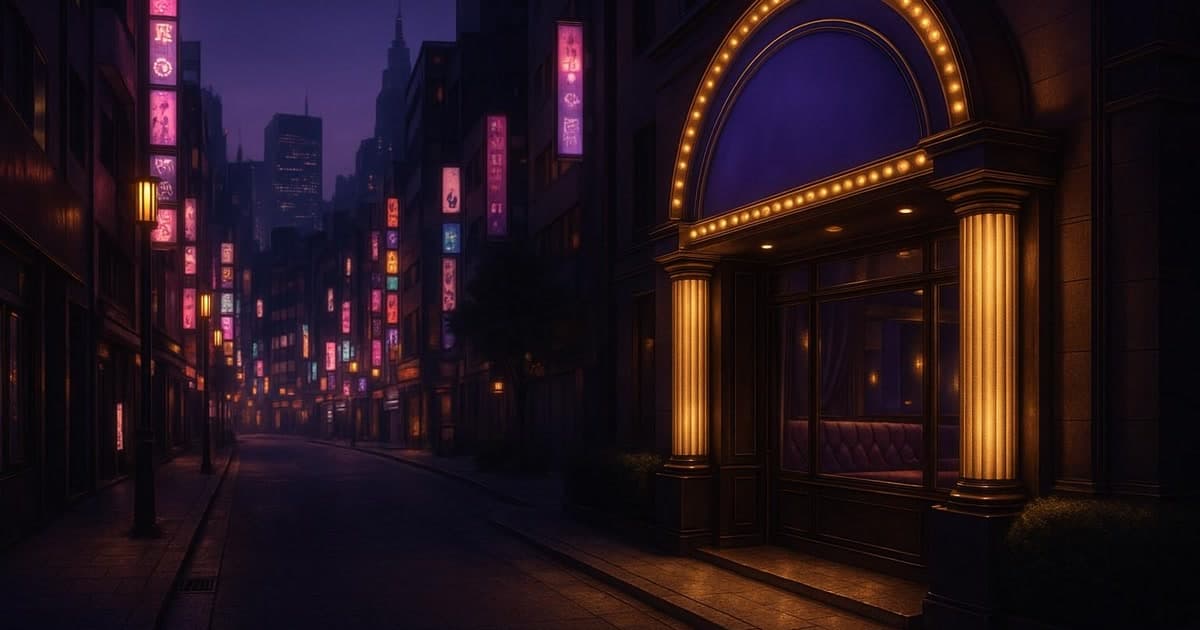
Everything an international visitor needs to know before stepping into a Japanese KTV / cabaret club — pricing, etiquette, booking, and the safest way to enjoy Tokyo, Osaka and Fukuoka nightlife.
Quick Answer
"KTV" in Japan means an upscale cabaret club (kyabakura) where hostesses share conversation and drinks with guests — not a karaoke box. Premium venues in Tokyo, Osaka and Fukuoka cost roughly ¥10,000–¥30,000 per hour all-in. Walk-ins are accepted but a free bilingual concierge cuts language friction and scam risk. Tipping is not customary in Japan.
What is "KTV" in the Japanese context?
In Japan, "KTV" is a loose label used by venues catering to international guests to describe a cabaret club — known locally as kyabakura (キャバクラ). It is not a karaoke box, despite what the letters suggest in other parts of Asia. A typical KTV in Japan is a styled lounge where female hosts (called "casts") sit with you, pour drinks, and keep conversation lively for a fixed-time slot.
Premium venues also use the labels kōkyū kurabu (高級クラブ / "high-end club") or simply "lounge". The experience leans social and conversational rather than transactional — you are paying for time, hospitality and atmosphere.
How much does a Japanese KTV cost?
Pricing in 2026 is broadly standardized around a "set fee" (setto ryōkin / セット料金) that covers the seat for 40–60 minutes plus a house drink. On top of the set fee, expect line items for nomination, extension, cast drinks and a service charge. The all-in hourly cost ranges:
- Tokyo premium areas (Roppongi, Ginza) — ¥15,000–¥30,000 / hour
- Tokyo (Kabukicho, Akasaka) — ¥8,000–¥20,000 / hour
- Osaka Kitashinchi — ¥10,000–¥25,000 / hour
- Fukuoka Nakasu — ¥5,000–¥15,000 / hour
A more detailed price-line breakdown — set fee, shimei (nomination), dohan, extension, bottle keep — is covered in our Beginner's Guide.
Step-by-step: visiting a KTV for the first time
- Pick a venue. Use our vetted store directory to filter by city, area and language support.
- Book or walk in. Walk-ins are common, but a reservation guarantees seating on weekends. Our free bilingual concierge can call ahead.
- Arrive and check in. Reception will confirm set time and seat you. Your cast(s) will rotate every 15–20 min unless you nominate (shimei).
- Order drinks. Your set typically includes house spirits (whisky highball, shōchū). Beer and cocktails are extra. You may be asked "May I have a drink?" — this is a polite request for a cast drink (¥1,000–¥3,000), and accepting is considered gracious.
- Track time. The set ends after the agreed slot. Staff will offer extension (enchō) before billing.
- Pay (shime). The closing bill is itemised. Cash, major cards and most QR payments are accepted in premium venues.
Etiquette that matters
- Be respectful and conversational. Casts are entertainers, not romantic prospects. Personal questions (real name, contact details, where she lives) are off-limits.
- No touching. Physical contact beyond a handshake is grounds for being asked to leave.
- Order modestly at first. Pacing matters — leaving room for a cast drink later is a normal courtesy.
- Tipping is not customary. Service charges are already in the bill.
- Use the venue's language support. Most premium KTV in Roppongi and Ginza have at least one English-speaking staff member. If language matters, ask the concierge before booking.
Best areas by city
Tokyo
Tokyo concentrates Japan's premium nightlife. Roppongi is the most foreigner-friendly with the highest density of English-speaking venues. Ginza is the upper-end, mature lounge district — book ahead. Kabukicho (Shinjuku) has a wider price range and lively atmosphere; pick from vetted listings to avoid touts.
Browse Tokyo venues in our Tokyo city guide.
Osaka
Kitashinchi is the historic premium district — small but exceptionally curated. Namba covers a broader, more casual segment. See the Osaka city guide for vetted venues.
Fukuoka
Nakasu is one of Japan's three great nightlife districts and the most accessible for foreigners outside of Tokyo. Prices are noticeably lower than Tokyo for comparable quality. See the Fukuoka city guide.
How to avoid common scams
The vast majority of KTV in Japan are honest, but you should know the warning signs:
- Street touts (kyakuhiki) aggressively pulling you into a venue. This is illegal in many Tokyo wards. Always walk away.
- Unlisted price boards. Premium venues display set fees clearly at reception. If pricing is vague, leave.
- Unexpected charges at billing. Confirm extension fees and bottle keep policies before ordering.
- "Special VIP" upsells. Politely refuse anything not on the price sheet.
Every venue listed on KTV Nightlife Japan is vetted against four criteria: verified existence, valid Fueihou license (Japan's adult-entertainment business law), service quality, and willingness to serve non-Japanese guests. See our editorial policy.
Frequently Asked Questions
Do I need to speak Japanese?
No — premium venues in Roppongi, Ginza, and the recommendations on this site provide at least minimal English support. Our concierge can also accompany you in person on request.
Is the experience adult / sexual?
No. KTV / kyabakura are licensed under Japan's Fueihou law as conversation-and-drinks venues. Physical contact is not permitted. The experience is closer to a styled lounge than a strip club.
Can I go alone?
Yes. Solo visitors are common and welcomed. Many first-time foreign guests visit alone with a concierge guide.
What should I wear?
Smart casual is the floor. Collared shirt, dark trousers, closed-toe shoes. Premium Ginza venues lean towards business attire.
How do I pay?
Cash is universally accepted. Major credit cards work in most premium venues; double-check before ordering high-ticket bottles.
Plan your visit
Ready to experience Japanese nightlife the safe way? Start with our vetted store directory, browse the city guides, or message our free bilingual concierge for personalised recommendations.


